Uncategorized

Uncategorized

How to Care for Goats: A Complete Guide for New and Small-Scale Farmers

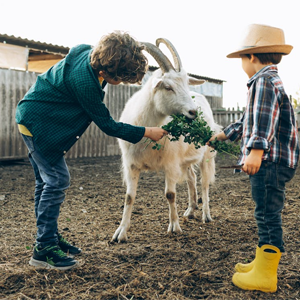
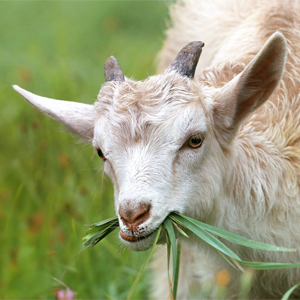
🌿 Introduction Goat farming is one of the most profitable and sustainable livestock ventures in Nigeria. Goats are adaptable, hardy, and provide multiple income sources through meat, milk, manure, and even skin. But success in goat farming depends heavily on how well you care for your animals. In this guide, we’ll show you how to care for goats using scholarly research, proven best practices, and practical Nigerian context, so your herd stays healthy, productive, and profitable. ✅ Why Goat Farming? According to the Food and Agriculture Organization (FAO), goats require less feed, adapt well to harsh environments, and can reproduce quickly — making them ideal for smallholder and rural farmers. Benefits of goat farming: Low startup costs Short gestation (5 months) and fast growth Strong demand for meat and milk Useful for integrated farming (manure and brush control) 📚 Goat meat is leaner and higher in protein compared to beef and poultry (FAO, 2019). 🏠 Step 1: Housing and Shelter Proper housing protects goats from: Rain, cold, and heat Predators like snakes and dogs Disease caused by damp or unclean environments Housing Guidelines: Use well-ventilated shelters with sloped floors for drainage Keep the floor elevated or concrete to avoid wetness and parasites Provide 1.5–2 square meters per adult goat (ILRI, 2020) Use local materials like bamboo, wood, or iron roofing 🧼 Always clean pens weekly and disinfect monthly. 🌾 Step 2: Feeding and Nutrition Feeding is the most important aspect of goat care. Goats are browsers, not grazers — they prefer leaves, shrubs, and tree bark over plain grass. What to Feed: Roughage: Hay, cassava peels, maize husk, dry legumes Browse plants: Gliricidia, Leucaena, Moringa Concentrates: Maize bran, wheat offal, soybean meal (especially for lactating does) Mineral blocks or salt licks for calcium and trace elements Fresh water: 3–5 liters per adult goat daily 📖 NAPRI recommends 12–14% crude protein for growing goats and lactating does. 💉 Step 3: Health Care and Disease Prevention Common Goat Diseases: PPR (Peste des Petits Ruminants) Foot rot Worm infestation Coccidiosis Mastitis (in milking does) Health Tips: Vaccinate against PPR, CCPP, and enterotoxemia Deworm every 2–3 months Monitor for signs like diarrhea, coughing, nasal discharge, or lameness Trim hooves every 4–6 weeks Maintain clean bedding and keep feed/water containers elevated 🩺 Always consult a licensed vet for a vaccination schedule and health plan. 🐐 Step 4: Breeding Management Goats can breed all year round, but it’s best to plan for the dry season or early rains. Reproductive Facts: Gestation period: 150 days (~5 months) Breeding age: 8–10 months Common birth rate: Twins or triplets Breeding Tips: Avoid inbreeding by rotating bucks every 2 years Provide extra feed (flushing) for does before mating Separate pregnant goats during final month of gestation 📚 Healthy does can produce 3–5 kids every 2 years with proper management (ILRI, 2020). 👶 Step 5: Kid (Baby Goat) Care Newborn goats (kids) are most vulnerable during the first few weeks. Kid Care Checklist: Let kids suckle colostrum within 1–2 hours after birth Keep kids in a dry, draft-free pen Deworm and vaccinate according to vet advice Wean between 8–12 weeks depending on weight and feed availability 📊 Step 6: Record Keeping and Management Keeping good records helps you manage your herd more effectively and make profitable decisions. What to Track: Birth and weaning dates Weight gain Vaccination and deworming schedule Mating history Feed consumption and costs 📘 Use a farm diary or mobile app to record each goat’s history. 🧽 Bonus: Cleanliness Is Key Dirty pens = sick goats. Always: Remove dung and wet bedding Clean feed and water containers daily Use lime or disinfectant on floors monthly Control flies, ticks, and mosquitoes 🧼 Hygiene = fewer illnesses and better profits. 🐐 Grazers Haven Goat Care Support At Grazers Haven Ltd, we help farmers start and grow successful goat farms by providing: Healthy goats (meat, dairy, breeding stock) Organic goat feed and mineral blocks Veterinary products and vaccination kits Farmer training and on-site consultation Farm tools and housing advice 📞 Need Help Caring for Your Goats? 📧 Email: [email protected] 📱 WhatsApp: +234 905 088 8482 🌐 Website: www.grazershavenltd.com
Uncategorized

Why Organic Feed Matters: Healthier Livestock, Safer Food, and Sustainable Farming

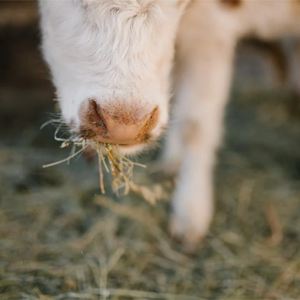
🌾 Introduction In the world of livestock and poultry farming, the phrase “you are what you eat” applies just as much to animals as it does to humans. What your animals consume directly affects their health, growth, and the quality of the products they produce — whether it’s meat, milk, or eggs. Organic animal feed is quickly becoming the preferred choice for forward-thinking farmers in Nigeria and across the world. But what makes it so important? Why should you, as a livestock or poultry farmer, consider switching to organic feed? In this post, we’ll explore the science-backed reasons why organic feed matters — for your animals, your business, your consumers, and the environment. ________________________________________ ✅ What Is Organic Animal Feed? Organic animal feed is made from ingredients that are: • Grown without synthetic pesticides, herbicides, or fertilizers • Free from genetically modified organisms (GMOs) • Not laced with growth hormones, antibiotics, or artificial additives Instead, organic feed relies on naturally grown grains, legumes, and plant-based supplements to provide balanced nutrition. 📚 According to the International Federation of Organic Agriculture Movements (IFOAM), organic feed must be produced and handled under strict standards that prioritize animal welfare and environmental sustainability. ________________________________________ 🧠 1. Better Animal Health and Immunity Several scholarly studies show that animals fed organic diets tend to have: • Fewer illnesses • Better immunity • Longer lifespans • Higher stress resistance 📖 A 2020 study published in the Journal of Animal Physiology and Animal Nutrition revealed that organic-fed livestock had stronger gut health and immune function, reducing the need for routine antibiotics. Why it matters: • Less disease = fewer medical expenses • Healthier animals produce higher-quality meat, milk, and eggs ________________________________________ 🧪 2. No Antibiotic Residues in Food Products Conventional feeds often contain low-dose antibiotics to promote fast growth. This practice is linked to antibiotic-resistant bacteria — a major public health risk. 🔬 The World Health Organization (WHO) warns that overuse of antibiotics in animal feed contributes to the spread of superbugs — bacteria that are resistant to treatment. Organic feed eliminates this risk, ensuring your livestock produce clean, residue-free food for human consumption. ________________________________________ 🧬 3. Improved Meat, Milk, and Egg Quality Research has shown that organic-fed animals often yield products that are: • Richer in nutrients (e.g., omega-3s, CLA, antioxidants) • Tastier and fresher • Free from chemical contamination 📘 A review in Frontiers in Nutrition (2021) found that organically raised meat and dairy had higher vitamin content and better fat profiles compared to conventionally raised alternatives. Result: Your customers enjoy healthier, premium-quality food — and are often willing to pay more for it. ________________________________________ 🌱 4. Environmentally Friendly Farming Organic feed production promotes regenerative agriculture, which: • Builds healthy soil • Reduces chemical runoff into rivers and lakes • Decreases greenhouse gas emissions • Promotes biodiversity and pollination In short, switching to organic feed is a climate-smart move that aligns with sustainable farming goals — especially important as Nigeria faces rising environmental pressures. 🧠 Farming with organic feed = supporting the planet. ________________________________________ 💰 5. Opens Access to Premium and Export Markets More consumers — especially in urban areas and international markets — are seeking: • Organic meat, eggs, and milk • Antibiotic-free animal products • Products with ethical and traceable sourcing Using certified organic feed makes your products more marketable, export-eligible, and premium-priced. 📈 Organic meat and dairy sales are projected to exceed $30 billion globally by 2030 (Statista). ________________________________________ 🔁 6. Long-Term Profitability While organic feed may have a higher upfront cost, farmers often report: • Reduced vet bills • Improved feed conversion efficiency • Higher market value for products • Loyal, health-conscious customers It’s not just about what it costs — it’s about what it saves, protects, and earns over time. ________________________________________ 🐄 Grazers Haven Organic Feed Solutions At Grazers Haven Ltd, we produce high-quality, locally sourced organic feed for: • Cattle • Goats • Poultry (broilers, layers, turkeys) Our feed blends are: • GMO-free and naturally formulated • Rich in essential nutrients • Free from antibiotics or growth hormones • Packaged in 25kg and 50kg bags 📦 Available in bulk and customizable for large farms. ________________________________________ 📞 Ready to Make the Switch to Organic Feed? Support healthier animals. Grow safer food. Build a better farm. 📧 Email: [email protected] 📱 WhatsApp: +234 905 088 8482 🌐 Website: www.grazershavenltd.com

Uncategorized

Health Benefits of Dairy Products: Why Milk, Yogurt, and Cheese Should Be Part of Your Diet

🌿 Introduction Dairy products like milk, yogurt, and cheese are among the most nutrient-dense foods available today. Whether you consume them for strong bones, better digestion, or overall wellness, dairy plays a vital role in a balanced diet. According to the Food and Agriculture Organization (FAO) and the World Health Organization (WHO), dairy contributes to the prevention of malnutrition, osteoporosis, and heart disease — especially in populations with limited access to diverse food sources. In this post, we explore the top scientifically backed health benefits of dairy, especially goat milk and dairy alternatives popular in Nigeria and across Africa. ✅ 1. Rich Source of High-Quality Protein Dairy is a complete protein source, meaning it contains all nine essential amino acids your body needs for tissue repair, immune function, and muscle growth. 📚 A glass of goat milk contains 8–9g of complete protein (USDA, 2021). Why it matters: Supports child growth and development Enhances muscle strength in adults Aids in recovery from illness or surgery 🦴 2. Builds Strong Bones and Teeth Milk, cheese, and yogurt are high in calcium, phosphorus, and vitamin D, all of which are essential for bone health. According to the National Institutes of Health (NIH), regular dairy intake helps prevent: Rickets in children Osteoporosis in adults Bone fractures in the elderly 📌 One cup of milk provides 30% of the recommended daily calcium intake. 🧘‍♂️ 3. Supports Gut Health with Probiotics Fermented dairy products like goat yogurt contain probiotics — live beneficial bacteria that improve digestion and boost immunity. 🔍 A 2020 study in the Journal of Dairy Science found that probiotic-rich yogurt improves gut microbiota, especially in people with digestive disorders. Benefits include: Reduced bloating and gas Improved nutrient absorption Strengthened immune defenses 💓 4. Helps Maintain a Healthy Heart Goat milk and cheese contain medium-chain fatty acids (MCFAs) and potassium, which are linked to: Lower blood pressure Improved cholesterol balance Reduced risk of heart disease A 2021 review in Frontiers in Nutrition noted that moderate dairy intake was associated with a lower incidence of cardiovascular disease, particularly in middle-aged adults. 🧠 5. Enhances Brain Function and Mood Dairy products contain B vitamins, especially B12, which supports: Brain development in children Memory and mental clarity in adults Prevention of mood disorders like anxiety and depression 🧠 Vitamin B12 is only found in animal-based products — including milk and cheese. 👶 6. Boosts Immunity and Recovery Goat milk is naturally rich in: Selenium and zinc (boost immune cells) Vitamin A (supports skin and respiratory health) Riboflavin and antioxidants (reduce inflammation) These nutrients help the body recover from infections, especially in vulnerable groups like children, pregnant women, and the elderly. 🍦 7. Natural and Versatile in the Kitchen Dairy is not just healthy — it’s also easy to include in everyday meals: Drink milk as a daily beverage or with tea Enjoy yogurt with fruits or cereals Cook with cheese in snacks, salads, or sandwiches Use dairy in smoothies, porridge, soups, and baking At Grazers Haven Ltd, we provide fresh, hygienically processed goat milk and dairy products that are: Hormone-free Preservative-free Farm-to-table fresh 🧀 Try Our Farm-Fresh Dairy Line: ✔ Fresh Goat Milk – Available in 1L and 2L ✔ Natural Goat Yogurt – Plain, Honey, and Vanilla ✔ Soft Goat Cheese – Preorder only ✔ Goat Milk Skincare – Soaps and lotion (vitamin-rich for sensitive skin) 📦 Preorder available. Nationwide delivery. 📞 Order Fresh Dairy Products Today! Join hundreds of Nigerian households choosing natural nourishment over processed alternatives. 📧 Email: [email protected] 📱 WhatsApp: +234 905 088 8482 🌐 Website: www.grazershavenltd.com
Uncategorized

How to Start Poultry Farming in Nigeria: A Beginner’s Guide to Profitable Small-Scale Farming

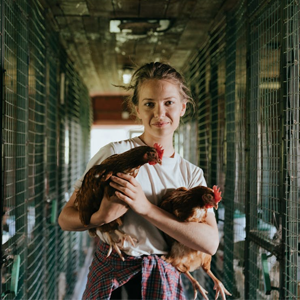
🏠 Introduction Poultry farming is one of the most profitable agricultural ventures in Nigeria. Whether you’re raising birds for meat (broilers), eggs (layers), or both, starting a small-scale poultry farm can generate income within weeks. With Nigeria consuming over 1.5 million metric tons of poultry meat annually (CBN, 2022), there’s huge local demand waiting to be met. This blog will show you step-by-step how to start poultry farming from scratch — using research-backed information, practical advice, and tips tailored to Nigeria’s climate and economy. ✅ Step 1: Choose the Right Poultry Type There are different types of poultry birds. Choose based on your goals, space, and budget: Poultry Type Purpose Market Time Broilers Meat 6–8 weeks Layers Eggs Start laying at ~20 weeks Cockerels Meat (slower growing) 5–6 months Turkeys/Ducks Festive sales or niche market 5–7 months 🔍 For beginners, start with 100–200 broilers or 50–100 layers. ✅ Step 2: Prepare the Poultry Housing (Pen) Your birds need shelter to protect them from: Rain, sun, and wind Predators (snakes, rodents) Disease from dirty environments Tips for Poultry Housing: Ensure good ventilation and lighting Use concrete, bamboo, or wood floors — easy to clean Separate pens for chicks, growers, and layers Maintain 1–2 sq ft per bird for broilers (FAO, 2011) Install feeders and drinkers at appropriate heights 📌 Disinfect the pen before bringing in any birds. ✅ Step 3: Source Day-Old Chicks (DOCs) Buy your chicks from reputable hatcheries or trusted farms. Healthy chicks should: Be active and alert Have clean, closed navels Respond to noise and movement Grazers Haven Ltd supplies healthy, vaccinated broilers, layers, and turkeys with guidance for first-time farmers. ✅ Step 4: Develop a Feeding & Medication Schedule Feed quality is critical — it determines how fast your birds grow or how many eggs they lay. Feed Types: Starter Feed (0–4 weeks) Grower Feed (5–6 weeks for broilers) Finisher Feed (7–8 weeks for broilers) Layer Mash (for laying hens) 🔬 Feeding accounts for up to 70% of total poultry production cost (NAPRI, 2020). Health Tips: Follow a vaccination schedule for diseases like Newcastle and Gumboro Deworm every 4–6 weeks Provide clean water at all times Use multivitamins during stress (e.g., after transport) ✅ Step 5: Monitor Growth and Clean Regularly Daily Tasks: Remove wet or soiled litter Check for sick or weak birds Refill feed and water Clean feeders and drinkers Weekly Tasks: Add fresh sawdust or bedding Adjust feeding and spacing as birds grow Record feed usage, weight gain, and mortality 🧠 Keeping good records helps you know when to sell and when to restock. ✅ Step 6: Plan Your Sales and Marketing Early Don’t wait until the birds are fully grown before planning how to sell them. Who Can You Sell To? Market women Food vendors and restaurants Households Schools and churches Butchers and meat vendors Festive bulk buyers Use WhatsApp, Instagram, and Facebook to promote your birds. Offer preorders to reduce post-harvest stress. 💸 How Much Can You Make? Item Cost per Bird (Estimate) Sale Price Profit/Bird DOC + Feed + Care ₦2,500 ₦4,500–₦6,000 ₦2,000+ 📈 Raise 100 birds = ₦200,000+ potential profit per cycle (6–8 weeks) 🧽 Common Mistakes to Avoid ❌ Overcrowding birds ❌ Ignoring proper vaccination ❌ Dirty pens or feed trays ❌ Buying unverified chicks ❌ No sales strategy before harvest 🛠 Tools You’ll Need to Start Housing structure or coop Feeder trays and drinkers Brooding lamp (for chicks) Thermometer and hand sprayers Starter feed and vitamins A scale and record notebook 🐓 How Grazers Haven Ltd Can Help You Start We support beginners and aspiring poultry farmers with: Quality chicks (broilers, layers, turkeys) Starter kits (feeders, vitamins, bedding) Organic poultry feed Farm setup and training consultations Vaccines, dewormers, and supplements Ongoing phone/WhatsApp support 📞 Ready to Start Poultry Farming? We’ll help you grow from first-time farmer to confident producer. 📧 Email: [email protected] 📱 WhatsApp: +234 905 088 8482 🌐 Website: www.grazershavenltd.com
Uncategorized

Why Organic Feed Matters: The Health, Productivity, and Profitability Benefits for Livestock Farmers

🌾 Introduction In today’s livestock industry, farmers are increasingly seeking alternatives that support animal health, environmental sustainability, and long-term profitability. One of the most powerful tools for achieving these goals is organic animal feed. Organic feed—free from synthetic additives, antibiotics, and genetically modified organisms (GMOs)—is gaining traction among Nigerian farmers and international markets alike. But why does it matter? And how can it transform your farm’s output? Let’s explore the top scientific and practical reasons why switching to organic feed is a smart investment for small- and large-scale farmers in Nigeria. ________________________________________ ✅ What Is Organic Animal Feed? Organic feed is composed of grains, legumes, or forages that are: • Grown without synthetic fertilizers or pesticides • Non-GMO • Free from antibiotics, growth hormones, or artificial additives It is designed to nourish livestock naturally, while also minimizing the risk of chemical residues in meat, milk, and eggs. 📚 According to the International Federation of Organic Agriculture Movements (IFOAM), organic feed must be traceable, ethically sourced, and nutritionally balanced to support optimal animal welfare. ________________________________________ 🧠 1. Promotes Better Animal Health & Immunity One of the most cited benefits of organic feed is its positive impact on livestock health. A 2020 study published in the Journal of Animal Science reported that animals fed organic diets exhibited: • Lower disease incidence • Reduced mortality • Stronger immunity Organic feed enhances gut health and reduces exposure to toxins, leading to fewer medical interventions and healthier herds or flocks over time. ✅ Healthy animals = better productivity = higher profits. ________________________________________ 🧪 2. Eliminates Risk of Antibiotic Resistance Many conventional feeds are laced with low-dose antibiotics to promote growth. This overuse contributes to antibiotic-resistant bacteria, which poses health risks to both animals and humans. By using organic feed, you avoid: • Contamination of meat and milk with antibiotic residues • Contributing to public health issues such as drug-resistant infections • Regulatory penalties in export markets 🔍 WHO and FAO have warned that antibiotic misuse in livestock is a global health concern. Organic feed provides a natural alternative. ________________________________________ 🐄 3. Improves Product Quality (Meat, Milk, Eggs) Animals fed on organic diets often produce: • Tastier, more nutrient-dense meat • Richer milk with higher CLA (conjugated linoleic acid) content • Healthier eggs with deeper yolks and higher omega-3 levels A 2021 review in Frontiers in Nutrition found that organically raised livestock products contained fewer contaminants and more beneficial nutrients. This can give your products a premium edge in competitive markets. ________________________________________ 🌍 4. Environmentally Sustainable Farming Organic feed is typically grown using regenerative agriculture, which promotes: • Improved soil health • Reduced chemical runoff into waterways • Lower carbon emissions compared to industrial feed production This aligns with Nigeria’s growing need for climate-smart agriculture and positions your farm as a green brand—a major plus for grants and partnerships. ________________________________________ 💰 5. Opens Doors to Niche and Export Markets Consumers are increasingly looking for clean, traceable, and organically raised food—both locally and abroad. Farms that use organic feed can: • Charge premium prices • Qualify for organic or eco-friendly certifications • Attract export buyers, restaurants, and health-conscious retailers 📈 According to Statista, the global market for organic meat and dairy is projected to exceed $30 billion by 2030. ________________________________________ 🔄 6. Long-Term Cost Efficiency While organic feed may cost more upfront, it can save money in the long run by: • Reducing vet bills • Increasing feed conversion efficiency • Preventing losses from contaminated or low-quality feed • Enhancing customer trust and loyalty 🧠 It’s not just feed—it’s an investment in the future of your farm. ________________________________________ 🐐 Grazers Haven Ltd: Your Trusted Source for Organic Livestock Feed At Grazers Haven Ltd, we produce and supply: • Organic Cattle Feed (25kg & 50kg bags) • Organic Goat Feed formulated for meat and milk yield • Poultry Starter, Grower, and Finisher blends—all naturally balanced • Custom formulations for bulk orders All our feeds are: • Chemical-free and naturally fortified • Made with locally sourced grains • Stored under hygienic, moisture-proof conditions We offer delivery across Nigeria and bulk pricing for farms and cooperatives. ________________________________________ 📞 Ready to Switch to Organic Feed? Join the growing number of Nigerian farmers choosing natural nutrition. 📧 Email: [email protected] [email protected] 📱 WhatsApp: +234 905 088 8482 🌐 Website: www.grazershavenltd.com
Uncategorized

How to Start a Small-Scale Poultry Farm in Nigeria: A Step-by-Step Guide for Beginners

📍 Introduction Poultry farming is one of the most lucrative and accessible agribusinesses in Nigeria. Whether you’re interested in raising broilers for meat, layers for eggs, or dual-purpose birds, starting small can help you build sustainable income, improve food security, and grow into a larger operation over time. In this guide, we’ll walk you through how to start a small-scale poultry farm using best practices, scholarly research, and market-based insights, tailored to Nigerian conditions. ✅ Why Poultry Farming? According to the Food and Agriculture Organization (FAO), poultry contributes significantly to Nigeria’s food supply, providing affordable protein through meat and eggs. It’s ideal for small-scale entrepreneurs due to: Quick return on investment High feed conversion efficiency Low land requirement Strong domestic demand year-round 🔍 Stat: Nigeria consumes over 1.5 million metric tons of poultry meat annually, yet still imports to meet demand (CBN, 2022). 🛠 Step-by-Step: How to Start a Small-Scale Poultry Farm 🏗 Step 1: Plan Your Poultry Type Choose what type of poultry farming to start with: Broilers: For meat; ready for sale in 6–8 weeks Layers: For eggs; start laying after 18–20 weeks Cockerels: Hardy birds, slower growth, suitable for rural markets Turkeys or Local Breeds: High demand during festive seasons Start with 50–200 birds as a manageable number for small-scale beginners. 🏠 Step 2: Set Up Housing and Equipment Poultry need a clean, dry, and well-ventilated space. Whether using deep litter or cage systems, ensure: Protection from weather, predators, and rodents Adequate space: 1 broiler requires ~0.1–0.15 sqm Basic equipment: feeders, drinkers, heat source, and lighting Use locally sourced materials like bamboo, wood, and roofing sheets to reduce costs. 📌 Tip: Good ventilation reduces respiratory infections and ammonia buildup (ILRI, 2020). 🌾 Step 3: Secure Day-Old Chicks (DOCs) Buy healthy chicks from reputable hatcheries or trusted suppliers like Grazers Haven Ltd. Always inspect chicks before buying—look for alertness, active movement, and clean vents. 📌 Vaccinate at day 1 and follow proper immunization schedule. 🧪 Step 4: Develop a Feeding and Health Program Feed accounts for up to 70% of poultry production cost, so use high-quality feed appropriate to the bird’s age: Starter feed (0–4 weeks) Grower feed (5–6 weeks) Finisher feed (7–8+ weeks for broilers) Layer mash (for laying birds) Supplements and dewormers should be administered regularly. Keep records of vaccination, medication, and feed usage. 🔍 Fact: According to the National Animal Production Research Institute (NAPRI), poor feeding and sanitation are the leading causes of poultry mortality in Nigeria. 📦 Step 5: Marketing and Sales Start building your customer base early: Sell to neighbors, hotels, restaurants, and market women Use WhatsApp status, Facebook groups, and local co-ops Offer farm-fresh, direct-to-customer delivery options Consider branding and packaging your eggs or processed meat for premium value. 📌 Offer pre-orders before maturity to guarantee sales. 📊 Step 6: Record Keeping and Scaling Keep simple records of: Number of birds Feed costs Sales Mortality Health treatments This helps you track profit and loss and identify areas for improvement before scaling up. 🚨 Common Mistakes to Avoid Overcrowding birds (leads to disease and death) Skipping vaccination schedules Buying chicks from unknown sources Using dirty feeders or water containers Not planning for feed cost changes 📈 Final Thoughts Starting a small poultry farm in Nigeria doesn’t require millions. With as little as ₦150,000–₦500,000, you can raise your first flock, learn the ropes, and build a profitable business. At Grazers Haven Ltd, we provide: Day-old chicks (broilers, layers, turkeys) Starter kits and feeders for beginners Organic poultry feed and supplements Vet support, training, and after-sale consultation 🛒 Ready to Start Your Poultry Journey? 📞 Call/WhatsApp: +234 905 088 8482 📧 Email: [email protected] [email protected] 🌐 Visit: www.grazershavenltd.com 🟢 We deliver nationwide and support you every step of the way.

Uncategorized

Top Health Benefits of Dairy Products: Why Goat Milk and Yogurt Are a Superfood for Nigerians

🐐 Why Dairy Matters for Nutrition in Nigeria Dairy products have long been celebrated for their nutritional power, versatility, and role in boosting immune health. From traditional yogurt to fresh milk, dairy is packed with vitamins, minerals, and essential proteins. For many Nigerian households and small-scale farmers, goat milk and natural yogurt offer a powerful, affordable, and digestible source of daily nutrition. But why exactly is dairy so good for your body? And how do goat milk and yogurt compare to other dairy sources? Let’s explore the science-backed health benefits of consuming dairy, especially in a local Nigerian context. 🧠 1. Rich Source of High-Quality Protein According to the FAO (Food and Agriculture Organization), dairy is a complete protein, containing all nine essential amino acids your body needs for muscle repair, immune function, and hormone production. Goat milk has a higher protein digestibility score than cow milk, making it ideal for: Children in growth stages Pregnant women Elderly individuals with weaker digestion ✅ One cup of goat milk provides 8–9g of high-quality protein (USDA, 2021). 🦴 2. Strengthens Bones & Prevents Deficiency Dairy is one of the richest sources of calcium and vitamin D, both essential for: Building strong bones and teeth Preventing osteoporosis and bone loss in adults Supporting proper growth in children Studies show that regular dairy intake reduces the risk of fractures and improves bone density in populations with low dietary calcium (National Institutes of Health, 2018). ✅ Goat milk contains more calcium and magnesium per 100ml than cow milk. 🧘‍♀️ 3. Improves Digestive Health Natural goat yogurt and fermented dairy products are packed with probiotics, which help regulate gut flora, prevent constipation, and reduce inflammation. These beneficial bacteria also: Boost immunity Support nutrient absorption Reduce risk of gastrointestinal infections Goat milk contains lower lactose levels and smaller fat globules, making it easier to digest—especially for Nigerians with lactose sensitivity. ✅ According to a 2019 study in the “International Journal of Dairy Technology,” goat milk is less allergenic than cow milk and better tolerated by individuals with lactose intolerance. ❤️ 4. Supports Heart Health & Blood Pressure Control Dairy products like milk and yogurt are rich in potassium, which helps regulate blood pressure by counteracting sodium. Goat milk also contains medium-chain fatty acids (MCFAs) which can improve cholesterol levels. ✅ Consuming 2–3 servings of dairy per day is linked to a reduced risk of heart disease (Harvard Health, 2020). 👶 5. Boosts Immunity and Fights Inflammation Goat milk is a natural source of: Selenium and zinc, which support immune function Conjugated Linoleic Acid (CLA), known for its anti-inflammatory and anti-cancer properties Vitamin A, which is essential for skin, eye, and respiratory health These properties make it ideal for: Children in developmental stages People recovering from illness Those looking to strengthen their immune defense naturally 🍦 Bonus: Versatility & Local Uses At Grazers Haven Ltd, we produce: Fresh Goat Milk – perfect for direct drinking or cooking Goat Yogurt (Plain, Honey, Vanilla) – naturally cultured with no additives Goat Cheese (Preorder) – for snacking, cooking, or sandwiches These products are made without preservatives, from farm-raised goats, and are available fresh or on preorder. 📌 Final Thoughts Incorporating dairy—especially goat milk and yogurt—into your daily diet is a smart, sustainable, and affordable way to boost your family’s health. With its easy digestibility, rich nutrient profile, and versatility, goat dairy stands out as a superfood for Nigerians. 🛒 Where to Get Farm-Fresh Dairy in Nigeria At Grazers Haven Ltd, we believe in nurturing nature and nourishing lives. All our dairy products are: Sourced from naturally fed, pasture-raised goats Processed under hygienic conditions Delivered fresh on preorder 📞 Contact Us to Book Your Goat Milk, Yogurt, or Cheese Today 📧 Email: [email protected] [email protected] 📱 WhatsApp: +234 905 088 8482 🌐 Website: www.grazershavenltd.com
Uncategorized

How to Care for Goats: A Complete Guide for New and Small-Scale Farmers in Nigeria

🔍 Introduction Raising goats is one of the most profitable and sustainable livestock ventures in Nigeria and across sub-Saharan Africa. Whether you’re a backyard farmer or planning a commercial goat operation, proper goat care is essential for maximizing health, productivity, and profit. In this blog, we’ll walk you through goat care essentials based on scholarly research and best farm practices—tailored to Nigeria’s climate and terrain. ✅ Why Raise Goats? Goats are highly adaptable, require less space and feed than cattle, and offer multiple revenue streams—meat, milk, hides, and manure. They are also excellent browsers, meaning they can feed on a variety of grasses, shrubs, and crop residues. Benefits of Goat Farming: High feed-to-meat conversion efficiency Low startup cost and quick return on investment Goat milk is easier to digest and rich in nutrients Manure is excellent for compost and organic farming 🏡 Housing & Shelter Proper shelter protects goats from rain, sun, cold winds, and predators. Key Housing Tips: Elevate the floor to prevent dampness and parasites Ensure good ventilation and drainage Use bamboo, wood, or concrete—materials that resist heat and moisture Separate pens for kids, pregnant does, and bucks Recommended space: 1.5–2.0 square meters per adult goat (FAO, 2011) 🌿 Feeding & Nutrition A balanced diet is vital for milk production, fertility, growth, and immunity. Basic Feed Components: Roughage: Grass, hay, cassava peels, maize stalks Concentrates: Groundnut cake, wheat bran, maize, soy meal Mineral supplements: Salt licks and calcium-phosphorus blocks Water: Always provide clean drinking water (minimum 5L/day per adult goat) According to the National Animal Production Research Institute (NAPRI), goats need 12–14% protein in their diet for optimal growth. 💉 Health Management A proactive health plan prevents disease and boosts longevity. Common Health Tips: Vaccinate against PPR, CCPP, and enterotoxemia Deworm every 3 months using veterinary-approved dewormers Monitor for signs of illness: coughing, nasal discharge, diarrhea, loss of appetite Trim hooves regularly to prevent infection Keep a clean, dry, and well-disinfected shelter Consult a vet regularly and keep a health record per goat. 🐐 Breeding & Reproduction Breeding goats can significantly increase your herd and income potential. Breeding Guidelines: Use strong, disease-free bucks Avoid inbreeding (rotate males every 2 years) Average gestation: 150 days (5 months) Does can give birth to 1–3 kids per cycle Ensure extra feeding during late pregnancy and lactation. 👶 Kid Care (Newborn Goat Management) Tips for Raising Healthy Kids: Let them suckle colostrum within the first 1–2 hours after birth Keep kids warm and dry—especially in rainy seasons Wean kids between 8–12 weeks, depending on size and feed availability 📊 Record-Keeping Keep simple records for: Breeding cycles Vaccination/deworming dates Feeding schedule Sales and purchases This helps improve planning and farm efficiency. 🌱 Sustainable Practices for Nigerian Goat Farms Integrate goat manure into composting for crop farming Practice rotational grazing to prevent overgrazing Use local feed resources to reduce costs Avoid overstocking to maintain herd health 📈 Conclusion Raising goats is more than just feeding and sheltering—it’s about consistent, knowledgeable care. Whether you’re just starting or looking to expand, following these evidence-based practices will ensure your goats stay healthy and productive all year round. At Grazers Haven Ltd, we provide: Healthy goats for meat or breeding Organic goat feed and salt licks Veterinary care products and supplements Ongoing farm support and consultation 🟢 Ready to Start or Grow Your Goat Farm? 📞 Contact Us Today for expert advice, pricing, and delivery options. 📧 Email: [email protected] [email protected] | 📱 WhatsApp: +234 905 088 8482 🌐 Visit: www.grazershavenltd.com

Scroll to Top